Condo guide
Milestone inspections and reserves, before you make an offer
By Doug Richman · about 6 min · reviewed July 2026
Since the Surfside collapse, Florida law requires older condo buildings to pass structural milestone inspections and to actually fund the reserves they long deferred. This is the single biggest change in what it means to buy a South Florida condo, and it shows up directly in monthly fees and special assessments.
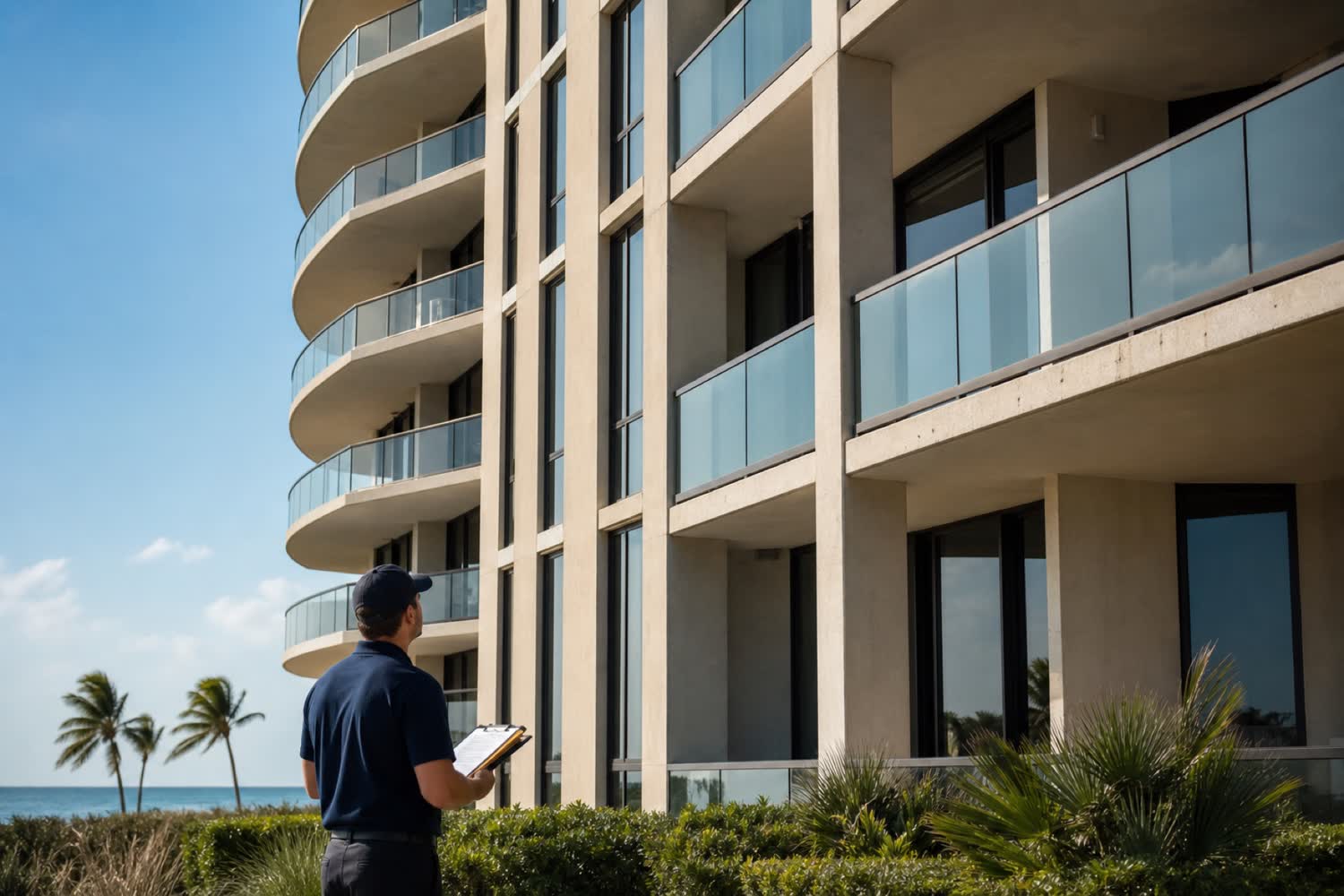
- 01 · StructureMilestone report
What the engineer observed and whether further evaluation or repairs were required.
- 02 · FundingReserve study
What major components will cost and whether the association is saving enough.
- 03 · What comes nextBoard minutes
The earliest clues about bids, assessments, disputes, and planned work.
The arrows show a review sequence, not a legal hierarchy. Read the reports together before the cancellation window closes.
The two documents that now matter most
The milestone inspection is a structural review required as buildings reach roughly thirty years of age (sooner for some coastal buildings), repeated on a cycle after that. The structural integrity reserve study, usually called the SIRS, is the engineering-based budget that says what the building must save for roof, structure, waterproofing, and other major components.
As a buyer you want to see both, plus the association's answer to them: the current budget, the reserve balance, and any planned or pending special assessments. Thresholds and deadlines have been adjusted by the legislature more than once, so treat the specifics as something to verify at contract time rather than folklore to rely on.
What the numbers mean in practice
A building that already passed its milestone and funds reserves honestly will usually show higher monthly fees than a comparable building that has not. That is not a red flag; it is the price of the building telling the truth. The dangerous purchase is the artificially low fee in an older building that has not yet faced its inspection, because the correction arrives as a special assessment measured in tens of thousands per unit.
- Ask for the milestone inspection report, or the date one is due
- Ask for the SIRS and the current reserve balance
- Ask for board minutes from the last year; assessments are discussed there long before they are levied
- Ask whether any assessment is planned, pending, or already levied but unpaid on your unit
Florida gives you an escape hatch. Use the clock well
Resale condo buyers in Florida have a statutory window after receiving the condominium documents in which they can cancel. That window is only useful if the documents actually get read. I go through them with clients line by line, because a three-day right means nothing if the documents arrive on day one of a holiday weekend.